Harvest Only Fallen Trees
We collect bark from trees already downed by wind or age. Living birch stays untouched.
We once assumed birch bark was merely kindling. We were wrong, and we have the baskets to prove it.
When handmade goods are priced as luxury items, they become inaccessible to the communities that originated them. We calculate our prices based on time and material, then stop. No premium for authenticity. No surcharge for tradition.
Every warped basket and torn strip teaches something that perfect results cannot. We keep our failures visible. Visitors to our workshop see the discards before they see the finished pieces, because the discards contain most of the information.
Bark harvests only in specific conditions. Teaching happens when daylight permits. We do not attempt to flatten these cycles into year-round uniformity. The irregular rhythm is part of the work, and rushing it produces inferior results.
Four constraints we accept willingly, because the alternative is work we would not want to sign our names to.
Every piece of bark came from a tree that lived decades. We treat that origin as a debt to repay through careful use, not as raw material to burn through. The forest is our supplier, not our servant.
We do not hoard expertise. Workshops, open sessions, and freely available documentation are how we ensure this craft outlives our own participation in it. Knowledge kept private is knowledge at risk.

We started with enthusiasm and a borrowed knife. The resulting container held nothing, taught us plenty, and sent us back to historical texts we should have read first. Failure remains our most reliable instructor.
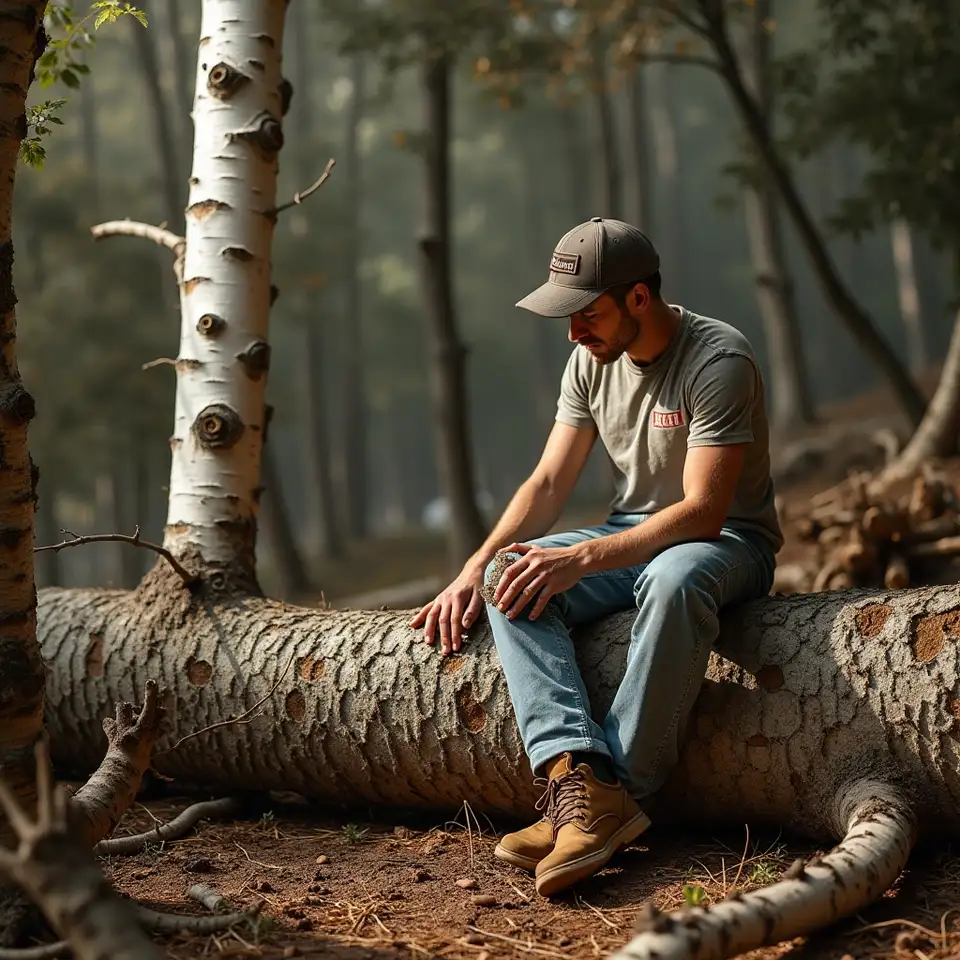
After two years of unpredictable supply, we mapped reliable locations for fallen birch across public and private land with permission. We now harvest only during specific moisture windows, which means we spend most of the year preparing rather than producing.
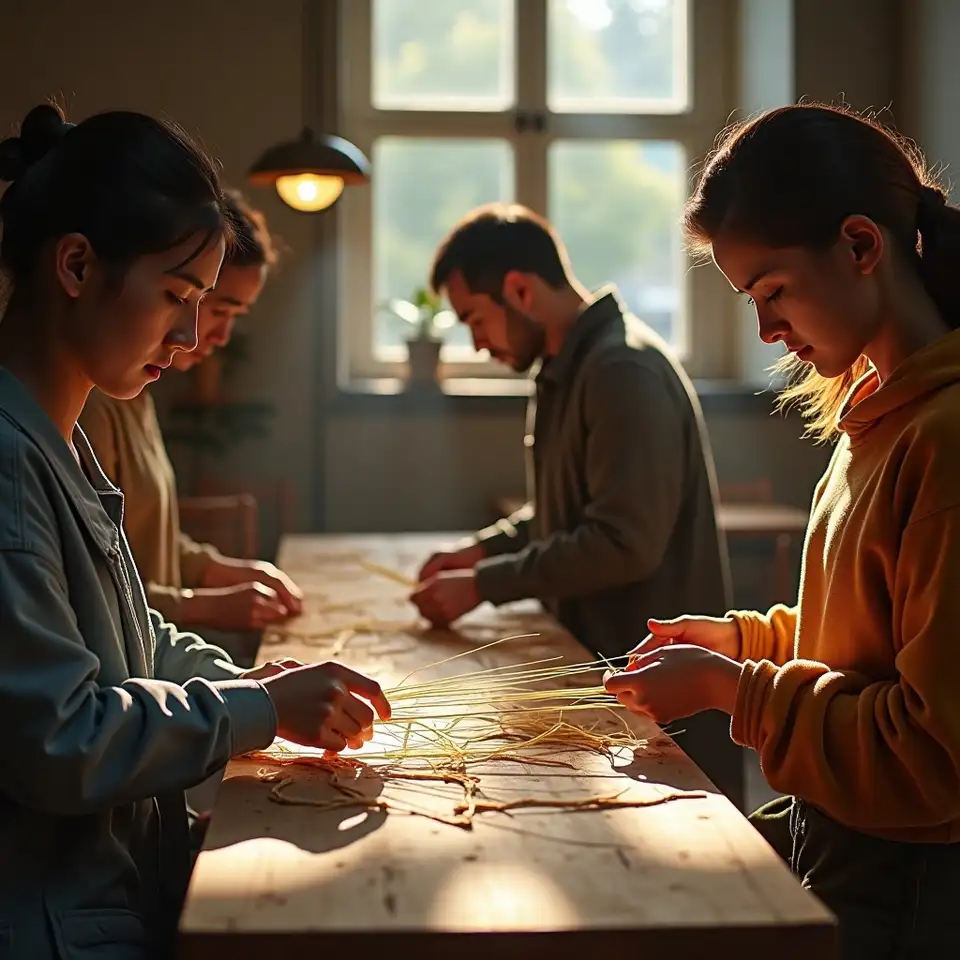
We began teaching others only after we had made every elementary mistake ourselves. Our first students were local woodworkers and botanical artists who already understood material behavior better than we did. They improved our teaching by asking questions we had not thought to ask.

We released our collected patterns and technique notes under open terms, because the alternative was becoming yet another workshop that dies with its founder. The archive grows as others contribute corrections and regional variations we had never encountered.
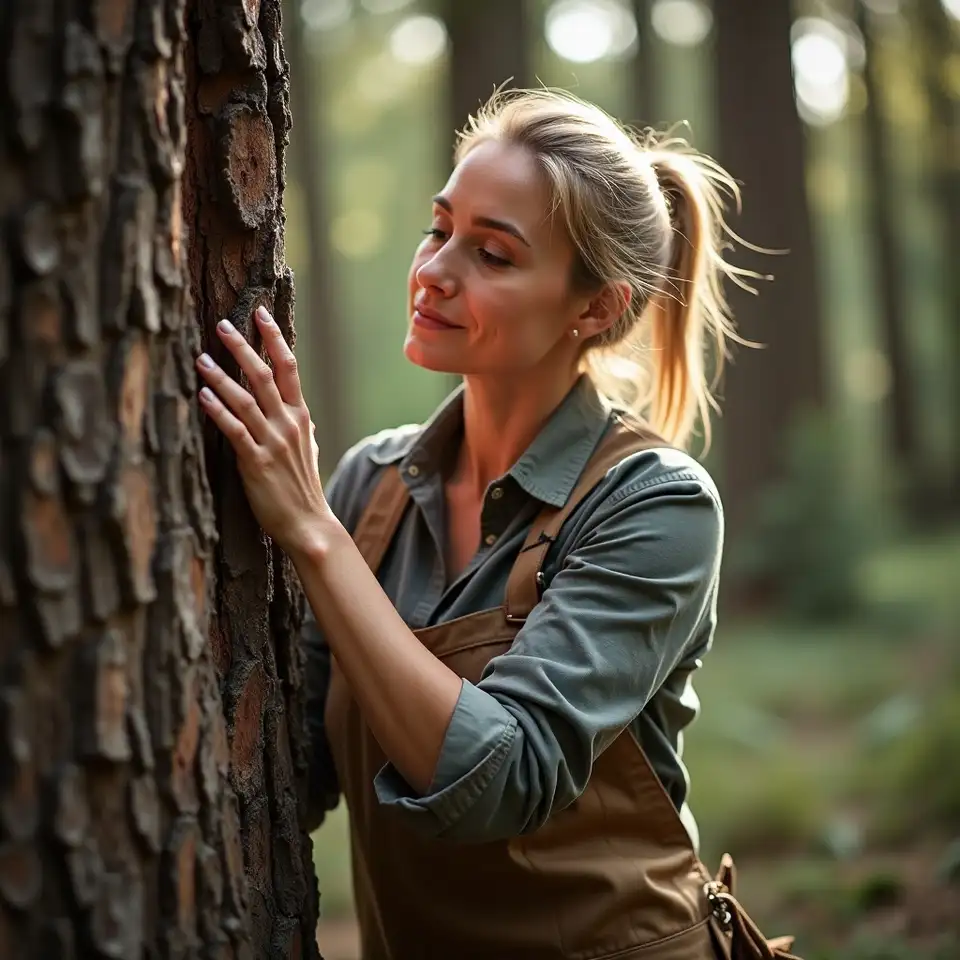
Lead Weaver and Material Sourcer
Eleanor handles the practical end of every project, from identifying suitable fallen trees to deciding when a basket is finished rather than merely abandoned. She is suspicious of any technique she has not tested herself at least twice.
Lead Weaver and Material Sourcer
Eleanor handles the practical end of every project, from identifying suitable fallen trees to deciding when a basket is finished rather than merely abandoned. She is suspicious of any technique she has not tested herself at least twice.

Documentation and Technical Editor
Marcus translates practical knowledge into written form, a process that inevitably reveals gaps in our understanding. He maintains the open archive and fields corrections from weavers who know techniques we have not yet documented.
Documentation and Technical Editor
Marcus translates practical knowledge into written form, a process that inevitably reveals gaps in our understanding. He maintains the open archive and fields corrections from weavers who know techniques we have not yet documented.

Community Liaison and Event Coordinator
Sofia organises the teaching that keeps this craft in circulation. She is candid with prospective students about the time commitment and physical demands, because disappointed beginners abandon crafts faster than realistic ones.
Community Liaison and Event Coordinator
Sofia organises the teaching that keeps this craft in circulation. She is candid with prospective students about the time commitment and physical demands, because disappointed beginners abandon crafts faster than realistic ones.
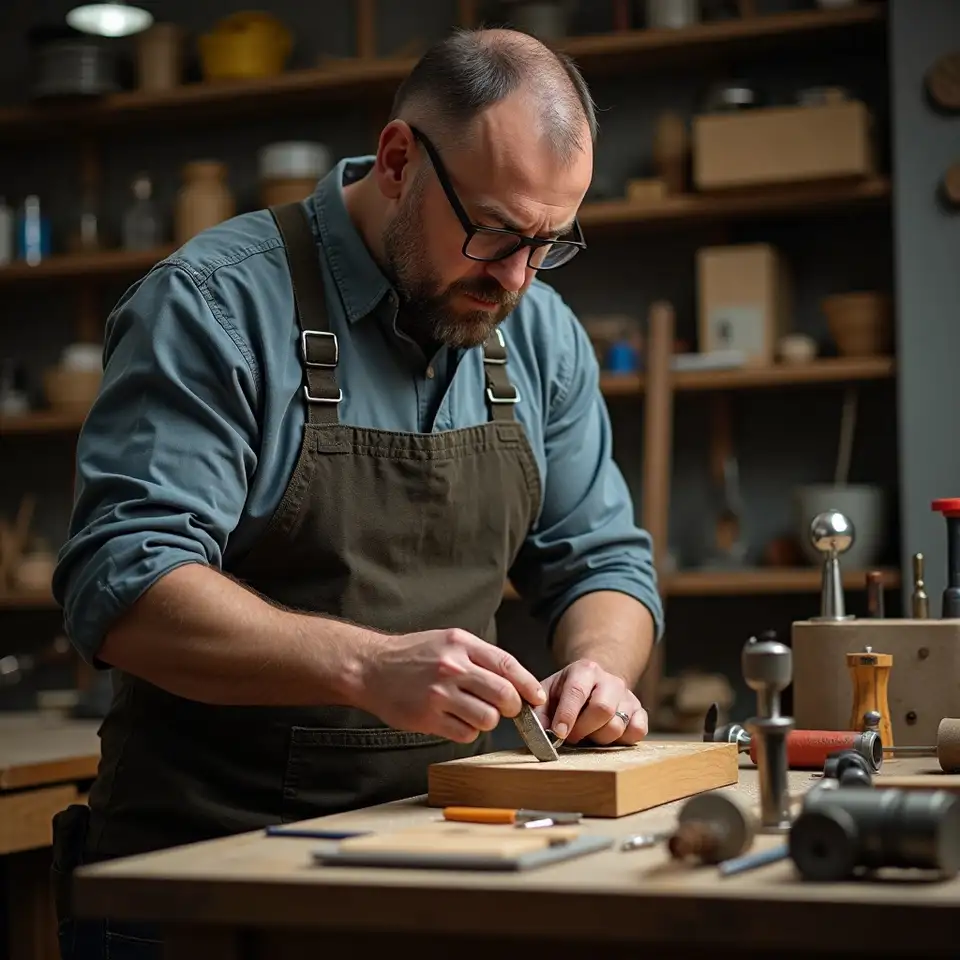
Tool Maintenance and Workshop Operations
James maintains the physical infrastructure that makes precise work possible. He is skeptical of any tool marketed specifically to crafters, preferring modified woodworking equipment that can be repaired rather than replaced.
Tool Maintenance and Workshop Operations
James maintains the physical infrastructure that makes precise work possible. He is skeptical of any tool marketed specifically to crafters, preferring modified woodworking equipment that can be repaired rather than replaced.